Showing posts with label Horseshoe Crabs. Show all posts

Saturday, May 21, 2016

Birding Cape May County ~ con't

I was excited to take Max & Tanya over to Reed's Beach to see the Red Knots and other shorebirds feeding on the Horseshoe Crab eggs.  When I was there on Thursday I was told the Horseshoe Crab spawning was down so far this year.  This was attributed to the fact we have had many days of rain causing the Delaware Bay waters to be colder than usual.  They were hoping for a good spawn soon and had one last night as we get closer to the full moon.  We didn't make it to Reed's Beach until mid tides. I was surprised to see that there were few shorebirds compared all of the other visits I'd made there in the past 10 days. I was also surprised to see that there were a number of Horseshoe Crabs buried under the sand of the beach.  The Red Knots and Ruddy Turnstones were feeding at the back of the buried crabs and the crabs were moving so you could see they were still alive.  Hopefully they made it back in the waters at high tide.  We also found a Marsh Wren while there.


Marsh Wren ~ Reed's Beach

Red Knot and Ruddy Turnstones Feeding on Horseshoe Crab eggs ~ Reed's Beach

Red Knot and Ruddy Turnstones Feeding on Horseshoe Crab eggs ~ Reed's Beach

Ruddy Turnstone Feeding on Horseshoe Crab eggs ~ Reed's Beach

Thursday, May 12, 2016

Reed's Beach ~ Red Knots

Semipalmated Sandpipers, Red Knots & Ruddy Turnstones


Horseshoe Crabs spawning


Friday, March 11, 2016

Merritt Island, Fl

Down near the causeway bridge over to the mainland is a unmarked stone road known as West Gator Creek road.  I went onto the road at the very end where I found horseshoe crabs mating.  This really surprised me as the horseshoe crabs in our area don't mate until May.  It borders the Indian River Lagoon
Horseshoe Crabs mating

Drake Ring-billed Duck
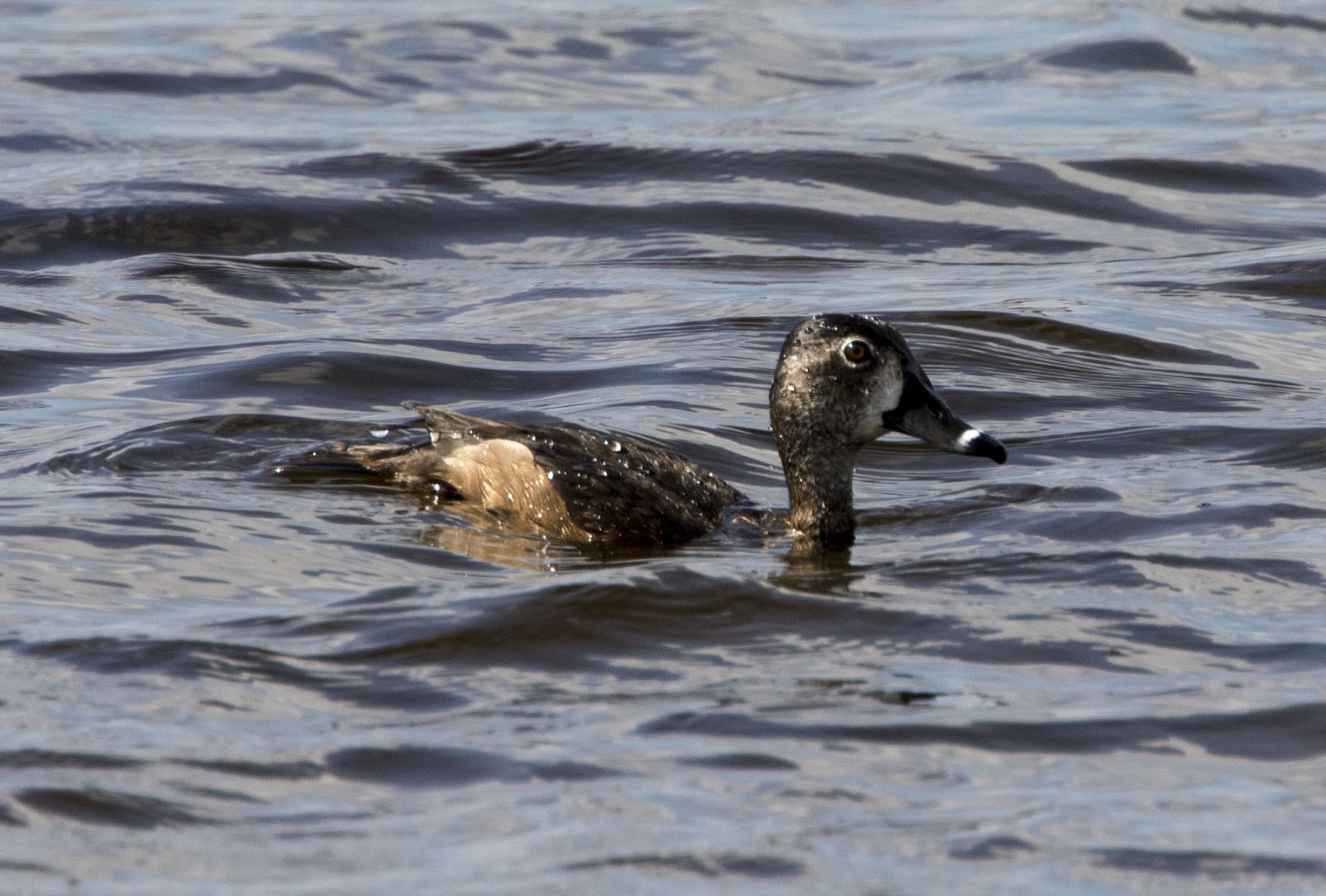
Hen Ring-billed Duck

One of many Red-shouldered Hawks flying overhead today

Thursday, May 29, 2014

Kimble's Beach ~ Horseshoe Crab Tagging

I didn't get to help with the horseshoe crabs tagging last year so this year I made it a priority to be off.  I invited my girlfriend, Bernie to join me.  Since the horseshoe crabs are here in abundance this year I was excited to be joining the tagging.  I was surprised to find out that this year because of so many groups doing the tagging we would only be collecting 500 of the horseshoe crabs and using 500 tags.


Thursday, May 22, 2014

Delaware Bay ~ Return of the Horseshoe Crabs

Amazing sight to see all of the Horseshoe Crabs that returned to spawn this spring along the Delaware Bay. From south Reed's Beach down to Del Haven's beaches there were hundreds of them at high tide.  It was like eye candy thinking of the feasts the migrating shorebirds will be having over the next few days before the birds fly off to the Arctic to breed.


Wednesday, May 23, 2012

Tagging Horseshoe Crabs

Tonight's one of the nights for tagging horseshoe crabs...   The tagging is done timed with the nights before and after the full moon and new moons in mid May and early June as that is when a great number of the Horseshoe crabs come ashore to spwan and lay their eggs on the beaches along the NJ and Delaware beaches of the Dealware Bay.
Last year my sister, Jenny and I along with friends Danielle and Charles and Sherri and Barry all went the same night to help out with the tagging.  Tonight's adventure will not include any of those people but will include another friend, Susan who is also a photographer and nature lover.

Here are several pictures from last year - collecting the crabs and after they were tagged (below)


Wednesday, June 1, 2011

Horseshoe Crab tagging - May 31 & June 2


Back in mid May, I saw an article in the Cape May County Herald titled "Want To Get Wet Tagging Horseshoe Crabs?" As I read the article, I learned they were looking for volunteers to go out to Kimbles Beach Rd on several specific evenings after sunset to tag the horseshoe crabs. The evenings targeted were the night before and after the full and new moons in May. I couldn't do the first 2 dates but the second 2 dates were open. I called Jenny and asked her if she'd like to join in the fun. The first night we went was May 31st. As the sun is setting, the representative from the Fish & Wildlife Service explains the procedure for the tagging. Then you break up into groups of about 5-6 people and off you go down the beach. The later it gets at night the more horseshoe crabs pile onto the beach at the high tide mark. We tagged 225 Horseshoe Crabs that first evening. I could have stayed longer but most of the group was ready to go. The first night there were 1250 crabs tagged in all.

I had such a good time the first evening I recruited friends, Charles and Danielle. I also mentioned it on FB and friends, Sheri & Barry came up from Baltimore to help out. Our group had about 7 people in it and we tagged 300 Horseshoe crabs. Even though there were less than half the volunteers on that second night there were still an impressive 1000 crabs tagged. Both nights were AWESOME!

When a tagged horseshoe crab is spotted you are asked to call and report the sighting. These sighting help the biologists studying them track their movements. It also allows the scientists to update their information on that crab. Horseshoe crabs have been tagged since 2001 in NJ.


Tuesday, May 31, 2011

Horseshoe Crabs


I thought I'd share some of the Horseshoe Crab pictures I took during the spawning in May. Horseshoe Crabs are drawn to the Delaware Bay to spawn in May and June. The highest numbers of crabs come ashore at the time of the full and new mooons during high tides.

As the larger female Horseshoe Crab come ashore, the smaller males hook onto the female and the tide ppulls them onto the beach. The female horseshoe crab will bury into the sand to lay her eggs while the males will crowd around her to fertilize the eggs. The eggs are small green BB-sized balls. The female Horseshoe Crab can lay up to 20,000 eggs at one time.

These pictures were taken at Reed's Beach where the waters were black because there were so many horseshoe crab eggs floating in the waves.